
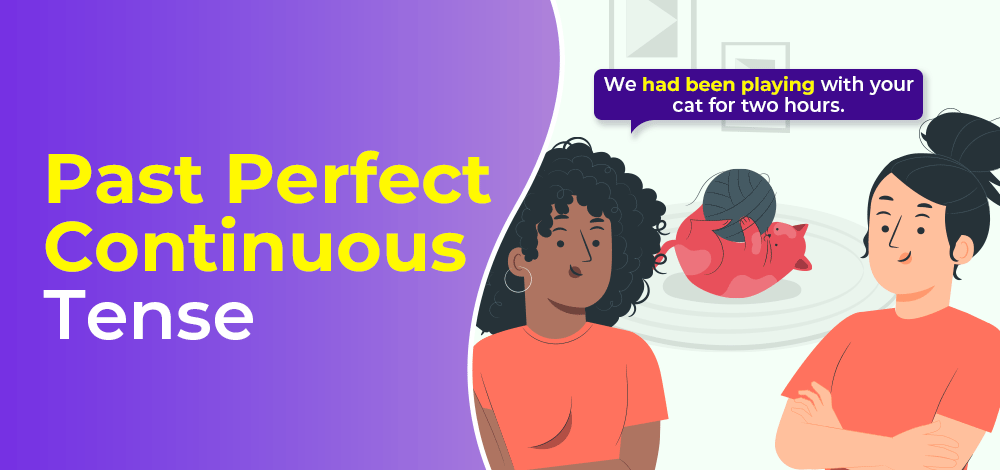
The Past Perfect Continuous Tense is used to talk about an action that started before a certain time in the past and continued up to that time.
The focus is on duration, not just completion.
I. WHEN DO WE USE THE PAST PERFECT CONTINUOUS?
Use the Past Perfect Continuous when:
- An action started earlier in the past and continued until another past action or time
- To show how long something had been happening
- To explain a past cause of a past result
Examples:
- I had been studying for two hours before the exam started.
- She was tired because she had been working all day.
II. FORM OF THE PAST PERFECT CONTINUOUS
Basic Structure
Subject + had been + verb + ing
Same for all subjects:
- I / You / He / She / We / They → had been
Examples:
- They had been waiting for a long time.
- He had been driving all night.
III. SENTENCE STRUCTURES (ALL 4 TYPES)
A. Positive Sentences
Structure:
Subject + had been + verb-ing
Examples:
- I had been preparing for the test.
- She had been teaching English for years.
- They had been discussing the issue.
B. Negative Sentences
Structure:
Subject + had not been + verb-ing
Examples:
- I had not been sleeping well.
- He hadn’t been following instructions.
- We had not been practicing enough.
C. Positive Questions
Structure:
Had + subject + been + verb-ing?
Examples:
- Had you been studying regularly?
- Had she been waiting long?
- Had they been preparing for the exam?
D. Negative Questions
Structure:
Had + subject + not been + verb-ing?
Examples:
- Hadn’t you been listening?
- Hadn’t she been attending classes?
- Hadn’t they been practicing enough?
IV. USES OF THE PAST PERFECT CONTINUOUS
1. Duration Before Another Past Action
Examples:
- We had been living there for five years before moving.
- She had been working for hours when she fell asleep.
2. Cause of a Past Result
Examples:
- He was exhausted because he had been running.
- The road was wet because it had been raining.
3. Repeated Past Actions Over a Period
Examples:
- I had been calling him all morning.
- They had been practicing every day.
V. TIME EXPRESSIONS USED
Common time words:
- for
- since
- before
- by the time
- all day / all night
Examples:
- She had been studying for two hours.
- They had been waiting since morning.
VI. PAST PERFECT VS PAST PERFECT CONTINUOUS
| Past Perfect | Past Perfect Continuous |
|---|---|
| Focus on completion | Focus on duration |
| had finished | had been finishing |
| Result-oriented | Process-oriented |
Example:
- I had written the report. (finished)
- I had been writing the report. (duration)
VII. COMMON MISTAKES
❌ I had been study all night.
✅ I had been studying all night.
❌ Had you been went there?
✅ Had you been going there?
❌ She had been know him for years.
✅ She had known him for years.
(Stative verbs usually don’t take continuous form)
VIII. EXERCISES
A. Choose the correct form
- She ___ (had been / had) working all day.
- They ___ (had been / were) waiting for hours.
- I ___ (had been / had) studying before the test.
- He ___ (had been / was) driving since morning.
- We ___ (had been / had) preparing well.
- She ___ (had been / had) teaching for years.
- They ___ (had been / had) not been listening.
- I ___ (had been / had) feeling tired.
- He ___ (had been / was) calling repeatedly.
- We ___ (had been / had) practicing daily.
B. Make negative sentences
- She had been studying regularly.
- I had been exercising daily.
- They had been following rules.
- He had been working late.
- We had been preparing notes.
- She had been attending classes.
- I had been sleeping well.
- They had been waiting patiently.
- He had been practicing English.
- We had been improving steadily.
C. Make positive questions
- You had been studying English.
- She had been working here long.
- They had been preparing well.
- He had been calling you.
- We had been practicing daily.
- She had been learning online.
- You had been listening carefully.
- They had been traveling recently.
- He had been improving his skills.
- We had been following instructions.
D. Make negative questions
- You had been practicing enough.
- She had been attending classes.
- They had been completing tasks.
- He had been sleeping properly.
- We had been preparing well.
- She had been listening carefully.
- You had been studying regularly.
- They had been following the schedule.
- He had been improving his English.
- We had been communicating clearly.
IX. ANSWER KEY
A. Correct form
- had been
- had been
- had been
- had been
- had been
- had been
- had
- had been
- had been
- had been
B. Negative sentences
- She had not been studying regularly.
- I had not been exercising daily.
- They had not been following rules.
- He had not been working late.
- We had not been preparing notes.
- She had not been attending classes.
- I had not been sleeping well.
- They had not been waiting patiently.
- He had not been practicing English.
- We had not been improving steadily.
C. Positive questions
- Had you been studying English?
- Had she been working here long?
- Had they been preparing well?
- Had he been calling you?
- Had we been practicing daily?
- Had she been learning online?
- Had you been listening carefully?
- Had they been traveling recently?
- Had he been improving his skills?
- Had we been following instructions?
D. Negative questions
- Hadn’t you been practicing enough?
- Hadn’t she been attending classes?
- Hadn’t they been completing tasks?
- Hadn’t he been sleeping properly?
- Hadn’t we been preparing well?
- Hadn’t she been listening carefully?
- Hadn’t you been studying regularly?
- Hadn’t they been following the schedule?
- Hadn’t he been improving his English?
- Hadn’t we been communicating clearly?
X. KEY TAKEAWAYS
- Use had been + verb-ing
- Shows duration before a past time
- Focuses on process, not result
- Often paired with for / since / before
- Avoid stative verbs in continuous form